Neuromas
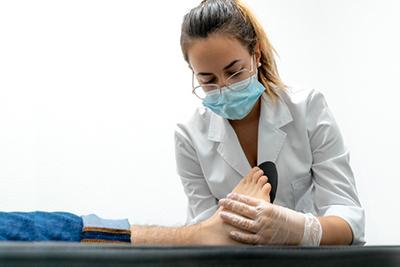
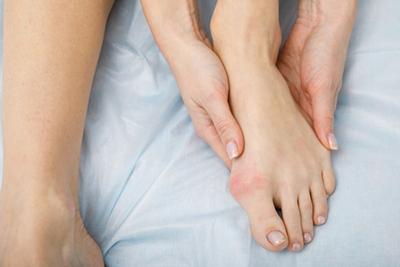
A neuroma is a benign swelling of a nerve that is secondary to trauma or compression. If the swelling of the nerve is chronic, then permanent nerve damage can occur. A very common area for a neuroma to occur is in the ball of the foot.
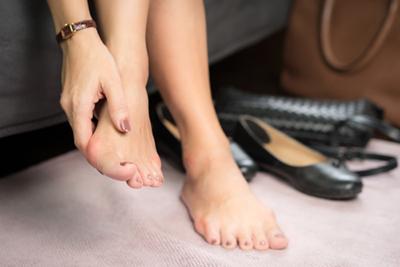
Neuromas are usually occur due to compression between the metatarsal bones, which are long bones located just behind the toes. Nerves course between the metatarsal bones to provide sensation to the toes. At the base of the digits, the nerve splits into a Y shape and enters the toes. Where the nerve splits into a Y is usually where the nerve gets pinched, causing swelling and ultimately the neuroma. A neuroma can manifest as burning pain, tingling and numbness. It has been shown that by removing the shoe and rubbing the foot, symptoms can be alleviated.
As the nerve continues to swell and become larger, the nerve can create a clicking or poppnig sensation when walking as it moves between the metatarsal bone. The neuroma pain comes and goes and is further aggravated by pinching of the nerve.
The most common region of the foot to develop a neuroma is between the 3rd and 4th toes, but also between the 2nd and 3rd toes. Neuromas can occur in both feet or just one foot.
Neuromas are diagnosed by a thorough history and physical exam. Neuromas can often be mistaken for arthritis, stress fractures, avascular necrosis, capsulitis, etc. X-rays are taken to rule out the previously mentioned problems. X-rays do not show neuromas. Sometimes, special exams such as MRI or nerve conduction studies must be performed to help with the diagnosis.
Treat for neuromas usually consistent of one if not several of the following:
1. Corticosteroid injections
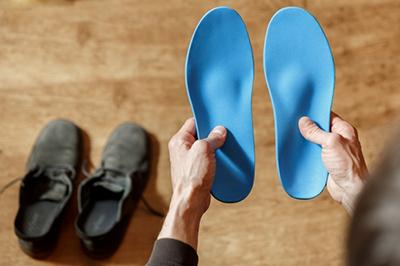
2. Orthotics
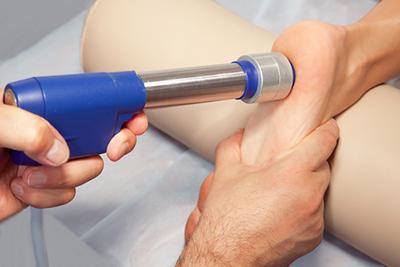
3. Chemical destruction of the nerve
4. Surgery
If you think you have a neuroma, please contact Advanced Foot & Ankle Center and schedule an appointment with Dr. Kory Williams or Dr. Eric Silvers.
We are highly trained in the treatment of this problem and we can help you.
Have a nice day!
~Dr. Williams
Medicine for Numbness and Tingling of the Feet
Many patients come into the office complaining of numbness and tingling of the toes and feet. Sometimes patient may say they have a “crawling” sensation or burning sensation. These are symptoms of a possible peripheral neuropathy. Peripheral neuropathy basically means ‘problems of the nerves in the limbs’. Peripheral neuropathy can be due multiple factors, however, the most common is diabetes. Other causes may be trauma, pressure, vitamin deficiencies, alcoholism, infections, autoimmune diseases, inherited disorders, exposure to poisons, and even tumors.
I am asked frequently by patients as to which medications are the best for peripheral neuropathy. There are many different type and they all work in various manners. I am going to give a brief list of the more common medications commonly used for peripheral neuropathy.
Antidepressants
Amitryptiline and nortryptiline are tricyclic antidepressant medications originally used to treat depression. However, these medications have also been shown to interfere with the processes that cause you to feel pain. Cymbalta is a much newer medication that has been shown to be effective for nerve pain in patients with diabetes. Normal side effects of anti-depressants include nausea, drowsiness, dizziness, constipation, and poor appetite.
Anti-seizure Medications
Gabapentin (Neurontin), pregabalin (Lyrica), Topamax, and carbamzepine (Tegretol) are medications that not only prevent seizures caused from epilepsy, but also prevent nerve pain. Lyrica is a newer and commonly prescribed medication for peripheral neuropathy.
Pain Relievers
Pain medication is commonly used for mild peripheral neuropathy. Severe caution must be used when prescribing these medication in order to prevent dependence, sedation and constipation.
Lidocaine Patch
This patch contains a topical anesthetic which causes mild to moderate numbness of the superifical layers of the skin and improve pain symptoms.
Transcutaneous Electrical Nerve Stimulation
A “TENS” unit is a machine in which electrodes send a mild electric through the painful limb. This treatment must be done frequently to have the greatest potential for success.
If you have peripheral neuropathy, please come see Dr. Williams or Dr. Silvers at Advanced Foot & Ankle Center and we can help relieve your symptoms.
Your Feet Need Sunscreen Too!
It is finally summer and it is hot outside. People will have a nice golden tan and some people will burn and blister. If you are an avid wearer of flip-flops or sandals, you must remember to put sunscreen on your feet.
Why are the feet so commonly forgotten? It is important to remember that your feet and legs are made of the same skin as your face, shoulders and arms. Burns can occur on the feet and are not just reserved for those crazy people who walk on hot coals.
Constant exposure to ultraviolet radiation will cause mutations of the skin. Exposure to UV-A and UV-B along with certain genetic factors could lead to skin cancer if not careful.
You must wear sunscreen that protects from both UV-A and UV-B rays.
UV-A rays are associated with aging and UV-B rays are associated with burning. However, UV-A is the one associated with long term damage.
There are 2 compounds sunscreen available that will protect against both UV-A rays and UV-B rays.
1. Mexoryl SX by L’Oreal
2. Helioplex by Neutrogena
The products that you can buy that have these compounds are listed below:
1. Anthelios SX Daily Moisturizer by LaRoche-Posay (has Mexoryl SX)
2. Neutrogena Ultimate Sport Sunblock Spray, SPF 100 by Neutrogena (has Helioplex)
It is recommended to apply the sunscreen 15-30 minutes prior to sun exposure.
Be safe and sunburn free!
What is the Best Running Shoe for Summer 2010?
At Advanced Foot and Ankle Center, Dr. Williams and Dr. Silvers treat a large amount of runners. If you are wondering what “Runner’s World” Editor’s Choice for best running shoe in 2010 is, then check out this video:
Are You Wanting To Start Running?
Here is a simple guide to help new runners get started.
1. How do I get started running?
I personally believe that a person should start walking for a period of time such as 20-30 minutes. Once a person feels comfortable with walking for 30 minutes, then begin adding a 1-2 minute running episode into the walking session. As time goes on, increase the running episodes a little more until you are running for 30 minutes continuously.
2. Is it normal to feel foot and leg pain while running?
Some foot and leg pain is completely normal as you continue to add intensity and distance to your workout. Severe pain is not normal. If you are running with a limp, then you have an issue. Stop running immediately and take some time off. If you are not sure about the pain, then try walking for a couple of minutes and see if the pain disappears.
3. Are running shoes required?
Although running doesn’t require much in the terms of equipment, you must have a good pair of running shoes on your feet. Running shoes are designed to place your foot in the proper position and help with shock absorption. The shoes should also fit rather snug in order to prevent movement in the shoe and blister formation.
4. Is there a difference between running on a treadmill and running outside?
A treadmill will pull the ground underneath the runner and also there is no resistance from the wind. This can make running indoors easier. However, treadmills are sometimes padded and can absorb shock which is good if you are prone to injury or overweight. To simulate running outside you may incline the treadmill slightly.
5. What are good locations for running?
The ideal running routes are those which are well-populated, free of traffic, well lit, and scenic. You must think of running as a way of exploring. Ask other runners about the best routes to take.
6. Why am I out of breath every time I run?
You are trying to run too fast. Slow down and relax. Concentrate on deep breaths. If needed, take a walking break. No need to torture yourself.
7. Why does my side always start hurting when I am running?
Stomach pain is common in new runners because the belly is not accustomed to the “jostling” that running causes. More frequent running makes the stomach pain go away. Also, do not eat solid meals at least an hour before you run. When you get a side cramp, focus on pushing all the air out of your belly. This will stretch the diaphragm muscle where the cramp is usually located.
8. Should I breath through my mouth or nose?
It is completely normal to breath through both. Relax your jaw and keep your mouth slightly open.
Running is fun and a great form of exercise.
If you are a new runner and are having foot or ankle issues, please come Dr. Kory Williams or Dr. Eric Silvers at Advanced Foot and Ankle Center in McKinney and Prosper, TX for all your needs.