Short Leg Syndrome
Having one leg that is shorter than the other (called “limb length discrepancy” or “short leg syndrome”) can lead to a number of problems. These include pain in the back, hip, knee and foot. In fact, we have seen many patients who have spent years and thousands of dollars trying to figure out why they have back, knee and hip pain – only to be told that nothing is wrong with their joints. With simple measurements of their legs these people could have avoid years of pain and unnecessary medical expenses.
Dr. Williams and Dr. Silvers are experts at diagnosing short leg syndrome and treating the problems associated with it. For an evaluation, call to make an appointment at Advanced Foot & Ankle Center in McKinney & Prosper.
Causes of Short Leg Syndrome
The most common causes include:
- Congenital problems which include issues with the position of the fetus in the womb
- Injuries that occur at the time of birth. For example a dislocated hip.
- Trauma that affects the growth plate during childhood.
- Fractures or dislocations affecting the leg bones and joints
- Surgery on the hip or knee – for example a hip or knee replacement
- Poor posture so that the pelvis is tiled leaving one side higher than the other.
Symptoms of Short Leg Syndrome
Symptoms can occur almost anywhere in the body – from the feet to the jaw. If one leg is short, some sort of compensation usually takes place – this compensation can lead to other problems. For example, if you have a short leg you may lean toward the short side. This can put excessive pressure on one hip and knee. Other symptoms may include the following:
- Knee pain in either the short or the long leg
- Nerve pain in the lower back and legs (sciatica),
- Poor coordination or balance
- Pain in the feet and ankles
- Jaw pain (TMJ)
- Tiredness and fatigue
Compensation for a short leg
When one leg is short, your body works hard trying to correct the problem and equalize the two legs. This is called compensation. Compensation can be very complicated and vary from person to person, but two common methods of compensation include:
- Leaning towards the short leg, in order to extend it and make the leg longer.
- Flattening the foot on the long side in order to make the leg act shorter. This is called pronation.
In fact, these types of compensation may help us walk more normally. Unfortunately they also place abnormal force on our feet, ankles, knees, hips and lower back – even the neck. This can, of course, lead to pain.
Diagnosis of Limb Length Discrepancy
We diagnose a short leg in three different ways
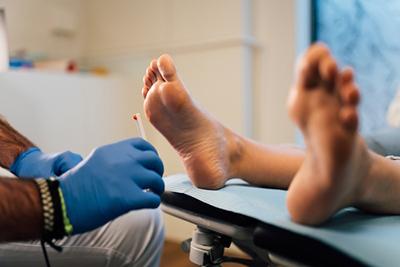
• We have you lie down and/or sit in our treatment chair and directly compare your right and left leg length
• We can examine your gait. There are some distinctive traits seen in the gait of persons who have a short leg
Treatment of Short Leg Syndrome
To relieve the pain of a short leg — whether the pain is in the feet, ankles, knees, hips, or lower back — our goal is to equalize the length of both legs. We can accomplish this in several ways.
Building up the sole and heel of your shoes. This technique is especially helpful for those people with large differences (greater than 1″) in their limb length. The problem with this treatment is that it can be a hassle to add a lift to all of your shoes.
Add Lift Inside Shoe: This is the quickest and simplest method of adjusting for a short leg. The downside is that these lifts can wear out quickly and raise only the heel rather than the entire foot. In addition, they do not compensate for the abnormal pronation that often occurs when a short leg is present. At the very least, we will often start with in-shoe lifts and then move onto more definitive treatments later.
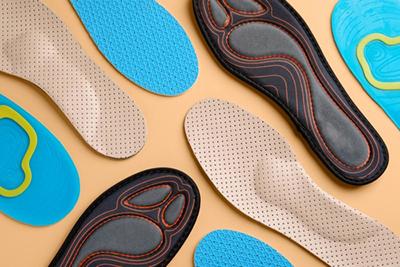
Custom Orthotics: Custom orthotics for short leg offer the advantage of treating both the short leg AND the abnormal pronation that usually occurs when a limb length discrepancy is present. These comfortable medical devices, made from molds of your feet, will not wear down for years, thus saving you money and pain.
Your orthotics will be designed to also relieve the pain of calluses, neuromas, bunions, ball of foot pain, and other biomechanical defects which are caused by having a short leg. If your leg is short by 1/4 inch or less, you will be able to wear our orthotic in most dress shoes. If the shortage is greater than 1/4 inch, then you may need to wear walking shoes, gym shoes, or extra deep dress shoes.
If you feel you may have a short leg, please come see Dr. Williams or Dr. Silvers at Advanced Foot & Ankle Center in McKinney and Prosper, TX.
Laser Treatment for Nail Fungus
There are two companies developing lasers for treatment of toenail fungus. One, Patholase, already has one on the market. Unfortunately, they do not have FDA approval for use of the laser in treatment of nail fungus and there no good studies that support the use of their Pinpointe laser in treatment of nail fungus. We strongly recommend that our patients avoid treatment with this laser. It is likely a waste of your money.
The second company is Nomir Medical Technologies. Nomir is waiting for FDA approval before bringing their Noveon laser to market. In mid-January they let us know that they have cleared 9 of the 11 issues that the FDA wished to have clarified before granting approval. They expect it will be around April 2010 before the units come to market.
When we are convinced that this is a valid treatment we will make the laser available to our patients. We strongly advise you to wait on laser treatment of fungal nails until the Noveon laser is available.
We will offer you the best choice of current treatments. Detailed information on laser treatment for nail fungus can be found below.
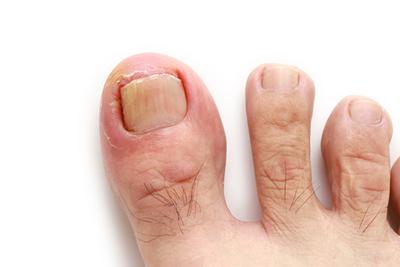
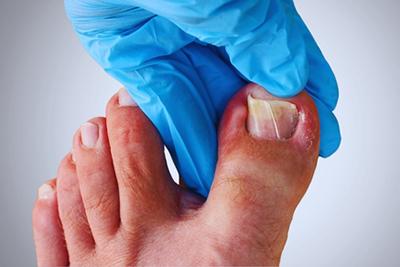
Toenail fungus is an infection that affects nearly 23 million people in the US – about 10% of all adults. This fungus causes the nail to become thick, yellowed and unattractive. If you have nail fungus infection and are considering treatment, this page is designed to provide you with a realistic view of what is available.
There is no perfect cure for toenail fungus. These nail fungi are so hardy that the oral medications (such as Lamisil) that are designed to treat it are successful only about half of the time. There are topical medications approved by the FDA to treat it – but they are successful less than 10% of the time. In our Seattle clinic we have tried all of the available nail fungus treatments at one time or another.
Laser Treatment for Toenail Fungus
A new treatment is the use of lasers to treat the toenail fungus. So far there have been some small studies that show promising results. The lasers work by killing the fungi while leaving the nail and surrounding tissue unharmed. Several companies are hoping to market these lasers.
How do the Lasers Work?
These lasers work by shining a laser light through the toenail that vaporizes the fungus while leaving the skin and surrounding tissue unharmed.
Is the Treatment Painful? Is it Safe?
Because the laser has no affect on normal, healthy tissue, there is no pain at all. In studies so far there have been no side effects, complications or adverse reactions.
How Long Does the Treatment Take?
Only one 10 minute treatment is needed per toe, according to the laser manufacturers.
Noveon Laser
Nomir Medical Technologies in Waltham, MA is developing a laser called Noveon for treatment of nail fungus. Noveon is a type of laser already commonly used by doctors for treatments like cataract surgery, dental work and hair removal.
Noveon beams two different wavelengths of near-infrared light at toenails to selectively take aim at and kill fungi.
In the latest study, after four Neovon laser treatments, about half of the 39 toenails tested no longer had active nail infections. Six months after the initial treatment, about 76 percent of the patients had clear nail growth.
Neovon is preparing to submit the data to the Food and Drug Administration, hoping to receive clearance to market Noveon by autumn 2009.
Patholase Laser
Another company, Patholase, is already marketing the Patholase PinPointe FootLaser for treatment of fungal nails. Clinical trials released by the company report 88% cure of the fungal infection with one laser treatment. However, according to a March 19, 2009 article in the New York /Times, the company’s claim of FDA approval for this procedure is being questioned.
Will this Treatment be covered by Insurance?
Laser treatment of nail and skin conditions is not covered by insurance plans as it is considered aesthetic. You can expect the cost to run between $600 and $1200.
Recommendations on Laser Treatment of Toenail Fungus by Dr. Williams and Dr. Silvers
For now, our recommendation is to save your money and wait to see what happens. We do think that there is potential that this may be a very effective treatment for toenail fungus. It is, however, too soon to determine which is the best unit and just how effective they are. For now call Dr. Williams or Dr. Silvers for evaluation of your fungal nails. We will offer you the best choice of current treatments.
Foot Cramps
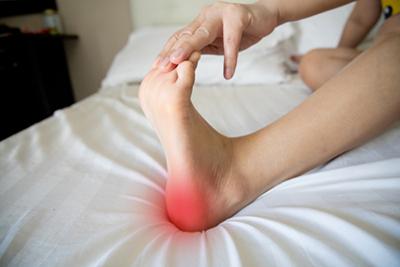
If you’ve ever experienced the sharp, sudden pain of a foot cramp, you know how painful they can be. There are many causes of foot cramps, but regardless of the cause make an appointment at Advanced Foot & Ankle Center to have your feet examined.

One of the most common causes of foot cramps is fatigue or overwork of the muscles in the bottom of the foot. If we find this is the cause of your foot cramps we will start you on a program designed to eliminate the muscle fatigue. This may include:
- Special strengthening exercises for the arch of the foot.
- Recommendation of specific shoes for your foot type
- Custom or prefabricated orthotics
- Anti-inflammatory measures
In most cases of cramps due to muscle fatigue we can usually eliminate the cramping.
Other causes of foot cramps include:
- Poor circulation – Foot cramp is caused by lack of oxygen being carried to the muscles of the feet.
- Lack of potassium.
- Dehydration – Lack of water in the muscles may cause foot cramps.
- Changing hormone levels – Foot cramps may occur while muscle tissue adjusts to these changes.
- Pinched nerves – Caused when the electrical impulse from the brain cannot reach the muscle, this can cause foot cramps, numbness and other symptoms.
- Alcohol or tobacco use – Since both lend to dehydration, poor circulation and toxicity, these can cause many foot cramps.
- Nutritional deficiency – A healthy diet, complete with all essential nutrients can keep muscles and nerves functioning normally.
Regardless of the cause, we will work with you to figure out the best treatment for your foot cramps. Please come see Dr. Williams or Dr. Silvers at Advanced Foot & Ankle Center for evaluation of your foot cramps.
Bunion Surgery
Considering bunion surgery can be very confusing. There is a tremendous amount of information available and much of it is contradictory. You may get information from your doctor, friends, internet and/or family members. This section is designed to cut through the clutter, help you identify the false information, and assist you in making an informed decision. Before reading this section, be sure to read our blog page on “Bunions” under “Foot & Ankle Topics”.
In most cases, we can treat the pain caused by bunions conservatively. In fact, we feel strongly that surgery should be a last resort. We surprise many bunion patients with our ability to help them avoid surgery when they have been told previously they have no choice but surgery. If you have tried all conservative treatment, however, and bunion pain is causing pain or limiting your activity, surgery can be a very effective option.
What is a bunion?
A bunion is when the big toe moves towards the 2nd toe and the bone behind the big toe (closer to the ankle), 1st metatarsal, moves inwards causing a bump on the inside of your foot. The medical Latin term for a bunion is Hallux (big toe) abducto (big toe moving towards the 2nd toe) valgus (big toe rotates inward).

When should you have bunion surgery?
At the Advanced Foot & Ankle Center, Dr. Williams and Dr. Silvers use the following criteria as a guideline when determining if surgery is indicated:
-
You have a bunion – determined by clinical exam and x-rays.
-
You feel you have exhausted all conservative care. Conservative therapy may include the following:
• Functional orthotics, prescribed and cast by your doctor and designed to relieve pressure within the big toe joint.
• Shoe Therapy, including proper shoes for your foot type and activities and possible modifications to your shoes.
• Accommodative padding.
• Activity modifications.
• Medications – short term therapy may help to reduce inflammation.
• Icing.
• Injection therapy – rarely used but may help in treating an inflamed bursa. -
Bunion interferes with daily activities.
-
Pain inside the joint.
-
You would like surgery sooner than later.
The surgical procedure
There are a number of different ways to perform bunion surgery. The best procedure for one person is not necessarily the best for another. Some procedures allow you to walk much sooner meaning you may not have to use crutches. Depending on your foot type the procedure can have a greater risk for return of the bunion deformity. Other procedures may require you to be on crutches for a few weeks – but may offer a better long-term result.
Types of bunion surgery:
Generally, bunion surgery can be classified into two major categories:
1) Head procedures (around the great toe joint).
2) Base procedures (near or at the joint behind the great toe joint).
For a head procedure, the bone is cut and the head of the metatarsal moved over to correct the bunion. Various types of bone cuts can be performed depending on the necessary correction. Head procedures are usually indicated for a mild to moderate bunion, or for patients who do not feel they can be non-weight bearing for any length of time.

Head Procedure Bunionectomy – bone is cut just behind the joint and moved over. Fixated with screw (shiny area center of bone behind great toe joint).
Base procedures are performed around the base of the 1st metatarsal (bone behind great toe). They include cutting a wedge out of the bone (base wedge), making a semi-circular cut and rotating the bone (crescentic osteotomy) and fusion of joint behind great toe joint (Lapidus bunionectomy). Base procedures are usually indicated for a moderate to severe bunion.

Lapidus bunionectomy – procedure performed at the base of the 1st metatarsal.
Overall, there are many variables in selecting a bunion procedure and the key to success is finding an experienced surgeon who understands each variable and who has the skills to perform all types of procedures. Some surgeons may not have the skills to perform base type procedures and offer head procedures as your only choice.
There is substantial medical research showing which bunion procedures are most effective in specific situations. At theAdvanced Foot & Ankle Center, we perform an examination of your lower leg and foot, review your biomechanics and x-rays, and give you an understandable and complete explanation of what choices you have, including what type of procedure is in your best interest.
Who Should Perform Your Surgery?
The most important criteria to ensure good outcome for your bunion surgery is to choose the right surgeon. The qualities that make for a good bunion surgeon are:
Board Certified or Board Qualified: Look for an experienced surgeon who is board certified or board qualified by the American Board of Podiatric Surgery (only board recognized as a surgical board) in Foot Surgery or Foot and Ankle Surgery. A more experienced surgeon will also be certified or qualified in Reconstructive Rearfoot/Ankle Surgery. [Note: Surgeons certified prior to 1990 are not required to pass recertification examination and only need to take a self assessment test. Surgeons certified after 1990 are required to take and pass recertification examination.
Understanding of biomechanics: To choose the best procedure, a surgeon must also have the ability to evaluate your biomechanical structure including tightness of leg muscles, foot and leg alignment, motion of the bones around the bunion site, and midfoot and rearfoot alignment.
Extensive experience: An experienced surgeon usually has a better ability to deal with intraoperative or post operative complications and reduce the chance of complications. Numerous studies have demonstrated that one of the best predictors of surgical outcome is the experience of the surgeon.
Gentle handling of tissue: A surgeon who handles tissue with a gentle touch will help ensure that pain is minimized and recovery time is reduced.
Performs surgery in peer reviewed hospital or surgery center (surgery center not located in physician’s office)
Defines realistic expectations and potential problems: Be wary of a physician who seems to talk you into surgery or makes surgery sound “too good to be true”.
Use of foot orthotics following surgery: Bunion surgery does not usually alleviate all of the forces that caused the bunion in the first place. This is because the biomechanical cause of the bunion is often due to function in another part of the foot. Surgery to correct the underlying biomechanical cause would, in many situations, be too extensive and involved to be a practical treatment option. In addition, it is simply not necessary in most cases. Once the bunion is corrected, foot orthoses will likely be used to improve foot biomechanical function and help prevent return of the bunion deformity. The orthotics can fit into many shoe types, including women’s dress shoes. Note that if you already have orthotics, you will likely need new ones after surgery to match the new shape of your foot.
Not all Surgeons are Created Equal:
Be very careful in choosing the right surgeon. It is particularly important to avoid those that make unrealistic claims regarding bunion surgery. If you see or hear the following statements we suggest you consider another surgeon:
-
“90 plus percent of patients have pain free surgery”: Most surgeons could make that claim since surgery is generally performed with a local anesthetic block and the patient is sedated or asleep during surgery. After surgery patients are given a long term anesthetic block to allow them to usually go home pain free. Look for a surgeon who gives realistic expectations and does not make surgery sound too good to be true.
-
“I created a better bunion surgery”: There are several problems with this statement. First, all bunion surgery is a variation on several basic types of procedures. There have been substantial evolutionary changes over the years, but if you hear anyone claiming that they have invented a procedure that is far better than anyone else is using, you should have a healthy skepticism. Second, there is no one “best” bunion surgery. The correct procedure depends on your foot shape, ligament tightness, biomechanics and other factors. Finally, in most all surgical specialties, if a truly better procedure is developed it is adopted by most good surgeons.
-
“My patients never have a bunion return”: It is simply impossible to ethically guarantee that a bunion will not return. The odds of a bunion returning are much less if the surgeon chooses the right procedure and the patient follows all of their post-operative instructions. Also the use of custom foot orthotics (specifically prescribed to enhance normal function of the big toe joint) after surgery can help prevent return of bunions. The reality is a very small percentage of bunions will eventually return regardless. Sometimes the forces leading to bunion formation are just too great.
-
“My patients never require crutches”: This often means that the surgeon only knows how to perform a simple type of bunionectomy. More complex bunion procedures may require the use of crutches. In fact, even with a bunion procedure that allows early weight bearing most surgeons will have their patients use crutches for short period of time to reduce swelling and pressure on the surgical site.
-
“Surgery is performed in our own surgery center”: Be VERY cautious of a physician who performs bunion surgery in their own office surgery center. Physicians who perform surgery in the hospital must pass a credentialing process and be approved by a committee to perform individual surgical procedures. Physicians in the hospital are re-credentialed/evaluated on a regular basis. This assures you the physician is qualified to perform your surgical procedure and does not have an impairment. An office surgery center must usually be approved, in order for them to bill Medicare, but the physicians are not regulated. A physician may be deemed not qualified to perform a procedure in the hospital but this does not stop him/her from performing procedures in his/her own surgery center. A physician operating in his/her own surgery center has no one evaluating the quality of work. (We tend to see more complications from patients who have had surgery in an office surgery center).
-
“I feel your bunion is going to get worse so you should have surgery as soon as possible”: Be cautious of a physician who does not suggest conservative therapy before suggesting surgery.
-
“Surgery is virtually pain free, minimally invasive”: Be cautious of a physician who makes the surgery sound too good to be true. “Minimally invasive” bunion surgery was a term used many years ago to describe bunion surgeries performed through a very small incision. Due to significant numbers of complications with minimally invasive bunion surgeries, it is not currently recommended for bunion correction. A responsible surgeon will give you realistic expectations and review possible complications. All surgery, bunion or otherwise may have possible complications.
Podiatric Surgeon or Orthopedic Surgeon?
Both Podiatric and Orthopedic surgeons perform foot surgery. The question often arises as to who is more qualified. The reality is that it depends on the surgeon. There are exceptional Podiatric foot surgeons and exceptional Orthopedic foot surgeons. Conversely, there are mediocre surgeons in each profession.
From day one of their training, Podiatric surgeons know they will be treating foot and ankle conditions, thus early on they receive in-depth education on foot and ankle conditions as well as broad education in general medical conditions. The first years of medical education for MDs, DOs, and DPMs are generally the same. In fact, in many cases, the students are taught by the same teachers or in the same class room. This general training in medicine allows both the Orthopedist and the Podiatrist to detect medical conditions affecting the lower extremities as well as deal with surgical patients who have medical conditions. Unlike other specialties, Podiatric surgeons receive significant training in biomechanics during their education allowing a unique view of how foot surgeries can affect the lower extremity.
Board certified Podiatric Foot and Ankle surgeons are the surgical specialists of the Podiatric profession. American College of Foot and Ankle Surgeons (ACFAS) members are graduates of accredited U.S. Podiatric medical schools, who have completed surgical residency programs of up to three years.
Fellows of the College are certified by the American Board of Podiatric Surgery, the surgical board for foot and ankle surgery recognized by the Joint Committee on the Recognition of Specialty Boards. Many have additional fellowship training in various aspects of foot and ankle surgery. All ACFAS members are dedicated to surgical excellence in the treatment of foot and ankle disorders.
What Do Podiatric Foot and Ankle Surgeons Treat?
Foot and ankle surgeons treat a wide variety of foot and ankle conditions:
• Structural conditions
• Trauma-related injuries
• Skin and nail conditions
• Congenital deformities
Foot and ankle surgeons are uniquely qualified to detect the early stages of diseases that exhibit warning signs in the lower extremities, as well as manage those foot conditions which can pose an ongoing threat to a patient’s overall health. Such illnesses include diabetes, arthritis and cardiovascular disease.
In general an Orthopedist who specializes in Foot and Ankle surgery complete a general residency in Orthopedics and a 1 year fellowship in Foot and Ankle Surgery.
Prior to Surgery
• Arrange for a ride home.
• Do not plan on any long trips for at least two weeks after surgery.
• If you have significant medical problems, you may need medical clearance through your Primary Care Physician (PCP) since they know the most about your medical history. Schedule a history and physical with your PCP, no more than 30 days prior to surgery.
• If you live alone, it is best to arrange for someone to stay with you for the first 24 hours.
• Wash your foot the night before and morning of surgery to reduce bacterial count.
• Stop using anti inflammatory medication 5 – 7 days before surgery (examples: aspirin, ibuprofen, Advil and Aleve).
• If you are taking any blood thinners, such as Coumadin, we will need to determine whether you can just stop the medication or go on a shorter acting blood thinner prior to surgery.
• Do not eat or drink anything after midnight the night before surgery.
Day of Surgery
Surgery is performed in the hospital or a multispecialty surgery center. Most foot and ankle surgeries are day surgeries and you will go home the day of surgery. You will generally be given a local anesthetic and anesthesia per your Anesthesiologist. You will be constantly monitored by an Anesthesiologist. You will speak with the Anesthesiologist prior to your procedure and he/she will help you choose the best anesthesia based on your medical health and complexity of your case. Anesthetic choices are typically local anesthetic with sedation, general anesthesia and spinal anesthetic. Most forefoot cases can be performed with local anesthesia and sedation.
After surgery you will possible be given a long acting anesthetic. You will also receive pain medication. You will need to arrange for a ride home. Patients are not allowed to drive home on the day of surgery.
Recovery from surgery
Weight bearing on your foot depends on your procedure. A head procedure allows for immediate weight bearing but we still feel that it is best to use crutches for 1-2 weeks. Base procedures require crutches for a longer period of time.
• First week after surgery keep your foot elevated as much as possible.
• Keep your foot dry for at least 2 weeks after surgery.
• One week after surgery you will have your dressing changed.
• Second week after surgery your sutures will be removed.
Dr. Williams & Dr. Silvers will advise you when you can increase weight bearing and activities depending on your surgical procedure.
Best results are achieved when patients are compliant with after surgery instructions.
If you have any questions after surgery always feel free to call Dr. Williams or Dr. Silvers day or night.
If you have a bunion and want to discuss you conservative and surgical options, please come see Dr. Kory Williams or Dr. Eric Silvers at Advanced Foot & Ankle Center for more information.
Rocker Bottom Shoes: Sketcher Shape-ups, MBT, Dansko
Rocker soles on shoes have been shown in a number of studies (some listed below) to substantially relieve pain associated with a variety of foot problems. Depending on where the rocker is placed on the shoe, it can provide different benefits.
Types of Rockers Soles
Forefoot Rocker Sole: A rocker placed just behind the metatarsal heads is very effective at reducing pressure under the ball of the foot and reducing motion in the toe joints. Thus we use it for treating hallux limitus (big toe arthritis) and ball of foot pain.

Heel to Toe Rocker Sole: As you can see in the picture, this type of rocker sole has the thickest point farther back on the shoe. This type of rocker shoe can be effective for limiting ankle and midfoot motion. Thus, it is helpful when a patient has ankle arthritis or midfoot arthritis. It also can reduce force on the heel at heel strike, as the foot rolls faster off of the heel.

How Do You Get a Rocker Sole on Your Shoe?
Dr. Williams and Dr. Silvers can either cast you for custom shoes or send your self-bought shoes to an orthotist for placement of a rocker sole on the shoe.
Purchasing a Shoe with a Rocker Sole
Some shoes come with rocker soles built-in. In fact, it has become a bit of a fad lately and brands like MBT and Sketchers are marketing rocker soled shoes as “fitness shoes” and claiming they will strengthen your muscles just by wearing them. Don’t believe them. These shoes do, however, have pretty good rocker soles and if you are a candidate for a rocker you may want to try them. Dansko offers particularly good rockers for people with ball-of-foot pain and big toe joint pain. These are brands that currently come with rockers:
If you are interested in more information concerning rocker soled shoes or custom shoes, please come see Dr. Kory Williams or Dr. Eric Silvers at Advanced Foot & Ankle Center.
Please see the video below:
Malignant Melanoma of the Foot
What is Malignant Melanoma?
Melanoma is a cancer that begins in the cells of the skin that produce pigmentation (coloration). It is also called malignant melanoma because it spreads to other areas of the body as it grows beneath the surface of the skin. Unlike many other types of cancer, melanoma strikes people of all age groups, even the young.
Melanoma in the Foot
Melanoma that occurs in the foot or ankle often goes unnoticed during its earliest stage, when it would be more easily treated. By the time melanoma of the foot or ankle is diagnosed, it frequently has progressed to an advanced stage, accounting for a higher mortality rate. This makes it extremely important to follow prevention and early detection measures involving the feet as well as other parts of the body.
Causes
Most cases of melanoma are caused by too much exposure to ultraviolet (UV) rays from the sun or tanning beds. This exposure can include intense UV radiation obtained during short periods, or lower amounts of radiation obtained over longer periods.
Anyone can get melanoma, but some factors put a person at greater risk for developing this type of cancer. These include:
* Fair skin; skin that freckles; blond or red hair
* Blistering sunburns before the age of 18
* Numerous moles, especially if they appeared at a young age
What Should You Look For?
Melanoma can occur anywhere on the skin, even in areas of the body not exposed to the sun. Melanoma usually looks like a spot on the skin that is predominantly brown, black, or blue—although in some cases it can be mostly red or even white. However, not all areas of discoloration on the skin are melanoma.
There are four signs—known as the ABCDs of melanoma—to look for when self-inspecting moles and other spots on the body:
Asymmetry — Melanoma is usually asymmetric, which means one half is different in shape from the other half.
Border — Border irregularity often indicates melanoma. The border—or edge—is typically ragged, notched, or blurred.
Color — Melanoma is typically a mix of colors or hues, rather than a single, solid color.
Diameter — Melanoma grows in diameter, whereas moles remain small. A spot that is larger than 5 millimeters (the size of a pencil eraser) is cause for concern.
If any of these signs are present on the foot, it is important to see a foot and ankle surgeon right away. It is also essential to see a surgeon if there is discoloration of any size underneath a toenail (unless the discoloration was caused by trauma, such as stubbing a toe or having something fall on it).
Diagnosis
To diagnose melanoma, the Dr. Williams or Dr. Silvers will ask the patient a few questions. For example: Is the spot old or new? Have you noticed any changes in size or color? If so, how rapidly has this change occurred?
Dr. Williams and Dr. Silvers will also examine the spot to determine whether a biopsy is necessary. If a biopsy is performed and it reveals melanoma, the surgeon will discuss a treatment plan.
Prevention and Early Detection
Everyone should practice strategies that can help prevent melanoma—or at least aid in early detection, so that early treatment can be undertaken.
Precautions to avoid getting melanoma of the foot and ankle, as well as general precautions, include:
Wear water shoes or shoes and socks—flip flops do not provide protection!
Use adequate sunscreen in areas that are unprotected by clothing or shoes. Be sure to apply sunscreen on the soles as well as the tops of feet.
Inspect all areas of the feet daily—including the soles, underneath toenails, and between the toes.
If you wear nail polish, remove it occasionally so that you can inspect the skin underneath the toenails. Avoid UV radiation during the sun’s peak hours (10 a.m. to 4 p.m.), beginning at birth. While sun exposure is harmful at any age, it is especially damaging to children and adolescents.
Wear sunglasses that block 100% of all UV rays—both UVA and UVB.
Wear a wide-brimmed hat.
Remember: Early detection is crucial with malignant melanoma. If you see any of the ABCD signs—or if you have discoloration beneath a toenail that is unrelated to trauma—be sure to visit Dr. Kory Williams or Dr. Eric Silvers at Advanced Foot & Ankle Center as soon as possible.
Subungual Exostosis
True subungual exostoses arise from the tuft of the distal phalanx. They are composed of mature bone with a fibrocartilaginous cap. Lee et al (2007) noted that half of their subungual lesions were actually osteochondromas arising from the proximal part of the distal phalanx and covered with hyaline cartilage organised as in a growth plate. True exostoses are commonest in young adults with a female predominance. They mainly occur in the great toe, although they also occur in the lesser toes and fingers.
They present with a complaint of pain in the toe, sometimes localised to the nail fold. Sometimes the swelling itself may cause pressure on the shoe. Some have a history of trauma or previous nailbed surgery (which may have been for an “ingrowing toenail’ that was, in fact, the exostosis).
Examination shows a firm swelling under the nail, usually in the medial nail fold. It is usually covered with epidermis, but may be raw or granulating.
The main differential diagnosis is ingrowing toenail, with a nailbed tumour such as melanoma, squamous carcinoma or glomus tumour as a much rarer possibility.
The lesion normally continues to grow so is best removed when diagnosed. This can be done under digital block anaesthesia as a day case. Sometimes the nail fold can be elevated and preserved, but usually it cannot be separated from the lesion and must be sacrificed. Even with careful excision of the whole lesion, the recurrence rate averages about 10%. A few patients require removal of so much nail bed that there is significant post-operative nail deformity, so that plastic nail bed reconstruction may be consdered (Suga 2005).
If you feel you may have a painful subungual exostosis, please see Dr. Kory Williams or Dr. Silvers at Advanced Foot and Ankle Center for treatment.
References
- De Berker DA, Langtry J. (1999). Treatment of subungual exostoses by elective day case surgery. Br J Dermatol 140(5): 915-8
- Dalle S e al. Squamous cell carcinoma of the nail apparatus: clinicopathological study of 35 cases. Br J Dermatol. 2007;156(5):871-4
- Gray RJ et al. Diagnosis and treatment of malignant melanoma of the foot. Foot Ankle Int 2006; 27:696-705
- Lee SK et al. Two distinctive subungual pathologies. Subungual exostosis and subungual osteochondroma. Foot Ankle Int 2007; 28:595-601
- Suga H et al. Subungual exostosis: a review of 16 cases focusing on postoperative deformity of the nail. Ann Plast Surg. 2005;55(3):272-5
Back Pain & Your Feet
Back pain can be caused by a number of things from injury to stress to poor posture! The difficulty lies in diagnosing the proper cause and attempting to rectify the situation! But did you know a misalignment of your body no matter how small, can wreak havoc from your head to your toes!
Pain is a sign that something is wrong, and should never be ignored! A complete evaluation from your physician is always recommended to rule out any significant problems! Still plagued with back pain after a clean bill of health?
Take a look at your feet! Ask yourself these questions – *Does one side of your shoe wear out before the other? * Are your toes crooked? * Do your feet point in or out excessively when you walk? * Do you suffer from heel pain, knee pain or shin pain in addition to your back pain? * Do you frequently sprain your ankle? * Do your feet hurt in general?
If you answered yes to any of these questions, perhaps it’s time to look more closely at your feet! The main function of your feet is to act as shock absorbers as you shift your weight with each step you take. Structural problems, such as your feet rolling inward, called over pronation, can cause problems all the way up to your back! The rolling of your foot inwards causes the arch to flatten and collapse under the body’s weight.
This continued stress could cause deformities of the foot over time, such as misaligned bones, hammertoes, bunions, knee pain and back pain. With the inward rolling of the foot, the lower leg begins to rotate internally. This rotation may cause the pelvis to tilt forward, thus increasing the curve of the low back. Excessive curvature can create tightness and stiffness in the low back resulting in pain! Foot orthotics can control the over pronation of your feet, decreasing back pain!
What Are Orthotics?
Orthotics are mechanical devices to assist in the correction of deformities or disabilities. Foot orthotics are things like heel cups and shoe inserts, which help realign the foot through compensation and stabilization techniques. Many types of shoe inserts are available over-the-counter. Shoe inserts provide complete foot support coupled with padding for comfort. But, the best solution for poor foot positioning resulting in low back pain is custom-made orthotics. Custom orthotics are made by a trained orthotist, who makes an impression of your feet to determine and duplicate the deformities. Then they can custom make an appropriate orthotic to help correct the misalignments.
Types Of Orthotics
1. Early childhood orthotics. These devices are utilized in children who demonstrate biomechanical walking problems.
2. Functional orthotics. These devices are often utilized to correct defects in the foot, such as high arches or flat feet (also known as planus). These inserts use specialized techniques such as wedges to adjust the heel and alignment.
3. Weight-dispersive or accommodating orthotics. These devices utilize special padding to relieve pain in the feet.
4. Supportive Orthotics.. These devices are commonly used to treat problems with the arches.
Nobody’s perfect! But even the smallest of misalignments can cause pain! And wouldn’t it be nice for back pain to disappear with something as simple as placing an insert in your shoes? Orthotics are not the answer for all types of back pain, but they certainly can’t hurt to attempt to keep your foot in the best possible alignment! It is best to attain advice from a qualified medical professional before attempting to correct major foot deformities on your own, but typically the over-the-counter products are not designed for the purpose of major corrections.
What To Expect
Typically, a physician prescribes a custom-made orthotics. Once the mold is taken, a trained orthotist will create a unique insert especially for your foot. But once the orthotic is made, the work is not done. Care must be taken to avoid further discomfort. Sometimes adjustments must be made for comfort.
And you must keep in mind that now your foot is in the correct alignment, it will take time for your body to adjust. Dr. Willaims and Dr. Silvers will set up a wearing schedule, where you wear the new insert a predetermined amount of time, building up your tolerance daily. Frequent skin checks are often recommended, especially in the beginning to avoid skin breakdowns and irritation. And, don’t be surprised if your back pain feels worse – any change in your alignment may cause temporary discomfort.
But, keep on your wearing schedule and inform the Dr. Williams or Dr. Silvers of any changes in pain or skin integrity. But, with a little persistence, your back pain may dissipate over time, once your body gets used to correct alignment.
If you have back pain and feel the causative factor may be due to your feet, let Dr. Kory Williams and Dr. Eric Silvers examine your feet and determine if orthotics are the best option for you.
Subtalar Arthroeresis for Flatfoot Deformity
There is no universally accepted definition for flatfoot. Clinically, a flatfoot is one that has a low or absent longitudinal arch.
Determining flexibility (physiologic) or rigidity (pathologic) is the first step in management: a flexible flatfoot will have an arch that is present when the child is not bearing weight on the foot but this is lost when the child is bearing weight; a rigid flatfoot has loss of the longitudinal arch height even when the child is not bearing weight.
The majority of children with flexible flatfoot do not have clear symptoms and the long-term consequences are uncertain. Podiatric literature has found associations with various foot pathologies: hallux valgus (bunions), plantar keratosis (calluses), metatarsalgia(bone pain in the ball of the foot), hammer toe syndrome (contracted toes), plantar neuroma(nerve pain in the ball of the foot), plantar heel pain but these have never been formally proven.
Flexible flat feet may also be linked to a spectrum of foot pathologies found in people with flexibility of joints and hyperlaxity of the ligaments and could also be the cause of early arthrosis of the midtarsal and subtalar joints in children without neurological dysfunctions. None of this is yet proven.
Subtalar Arthroreisis:
Although orthopedic literature has emphasized non-surgical management of flexible flatfoot, procedures aim at the insertion of a medial longitudinal arch implant, such as the Subtalar Arthroreisis, has been appealing.
“Arthroereisis” is defined as limiting motion of an abnormally mobile joint. The insertion of implant into the sinus tarsi, the space between talus and the calcaneus, is one of the methods for subtalar arthroereisis.
Cases suitable for subtalar arthroereisis may be those with a painful flatfoot deformity unresponsive to prolonged nonsurgical management – such as heel-cup bracing or other foot orthosis – and possibly a severe deformity associated with excessive shoe-wear.
Arthroeresis is usually performed between the ages of 8-12 years old, before closure of growth physes, it allows for remodeling of the tarsal bones. Only on rare occasions is operative intervention necessary to treat juvenile flexible flatfoot. Arthroeresis is also used adults with flatfoot deformity.
Often it is done in combination with various soft tissue and bone procedures, such as recession of the tight gastrocnemius muscles, flexor tendon transfer or calcaneal osteotomy. The goal of surgery is to realign the foot and to redistribute weight-bearing forces thereby improving foot endurance and reducing fatigue.
Possible Complications:
Like any operation, subtalar arthroereisis is not without risk. Potential complications include detritic synovitis, dislocation of the implant, failure to correct, subtalar joint arthritis, sinus tarsi syndrome, peroneal spastic flatfoot and intra-osseous cyst formation, avascular necrosis of the talus.
If you have a flatfoot deformity and want to discuss flatfoot surgery and specifically the arthroeresis implant, please make an appointment to see Dr. Williams or Dr. Silvers for further discussion.